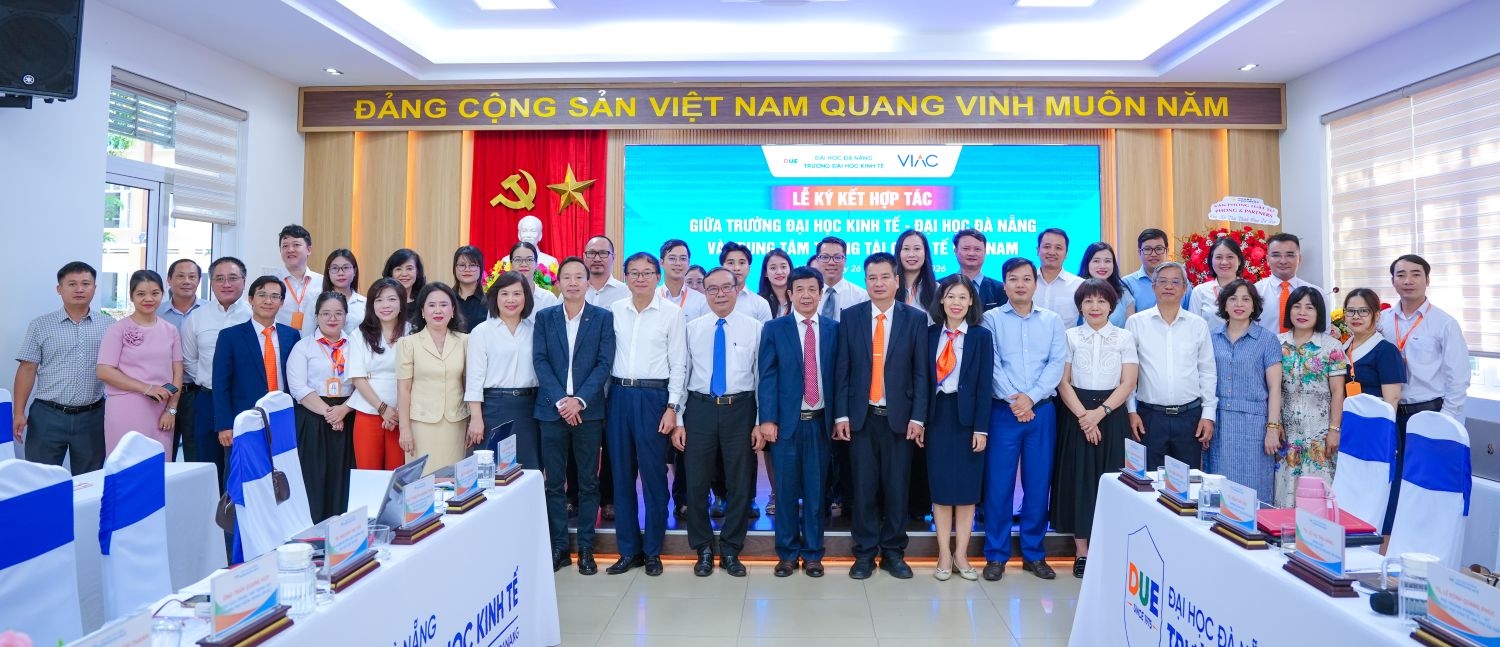
DUE and VIAC sign cooperation agreement, organize scientific seminar “Identifying and Resolving Disputes among Enterprises in the New Era”
26/06/2026
On June 26, 2026, the University of Economics - University of Danang (DUE) and the Vietnam International Arbitration Center (VIAC) officially signed a Memorandum of Understanding (MoU), marking a new milestone in the partnership between the two institutions. The agreement aims to strengthen collaboration in training, scientific research, legal knowledge dissemination, and the development of high-quality human resources to serve the business community.
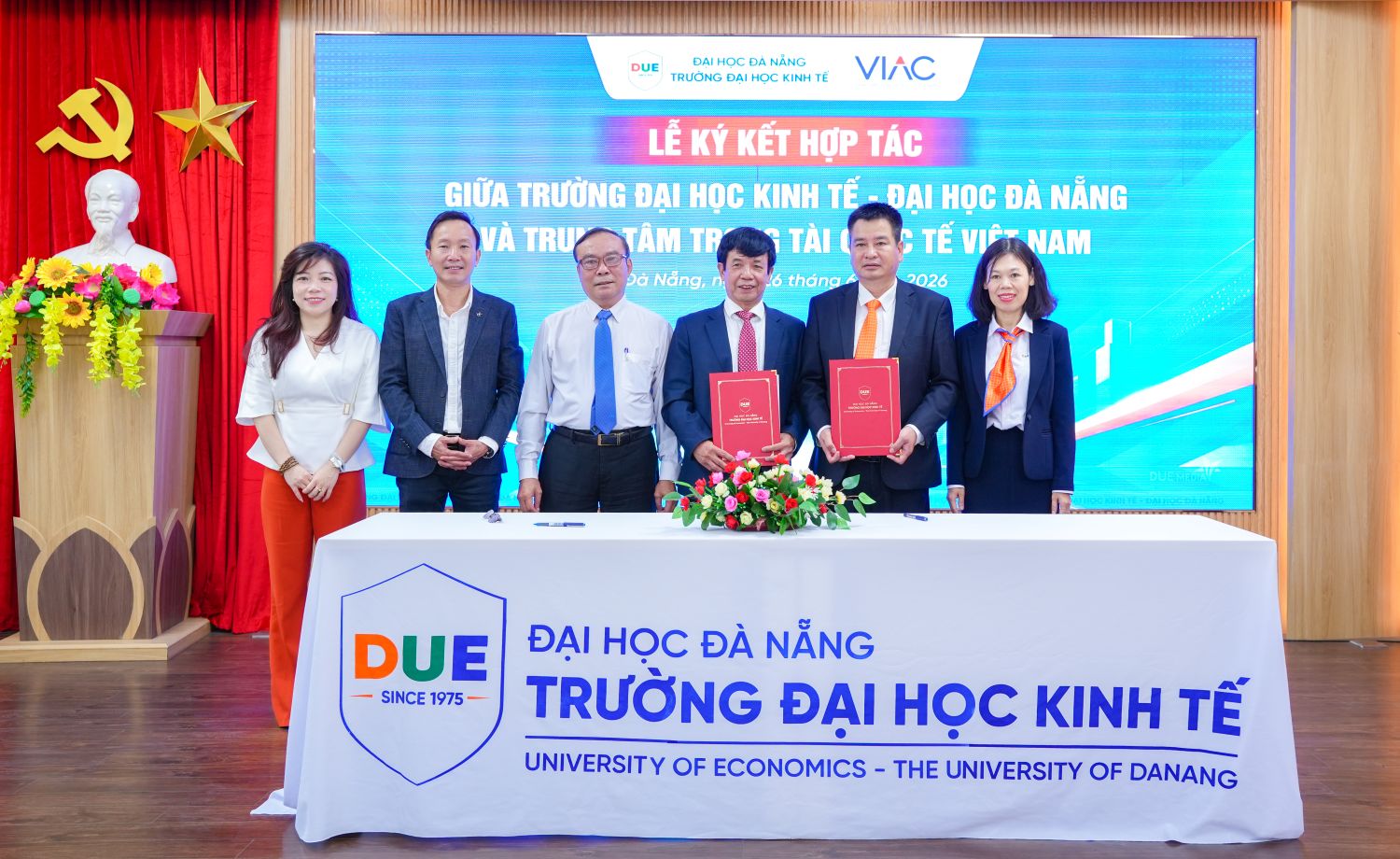
The two parties carry out the cooperation signing ceremony
According to the MOU, both parties will jointly organize training programs, seminars, and professional discussions; promote scientific research; share practical experiences; support student internships, career orientation, and professional development in the fields of law, business, commerce, and dispute resolution.
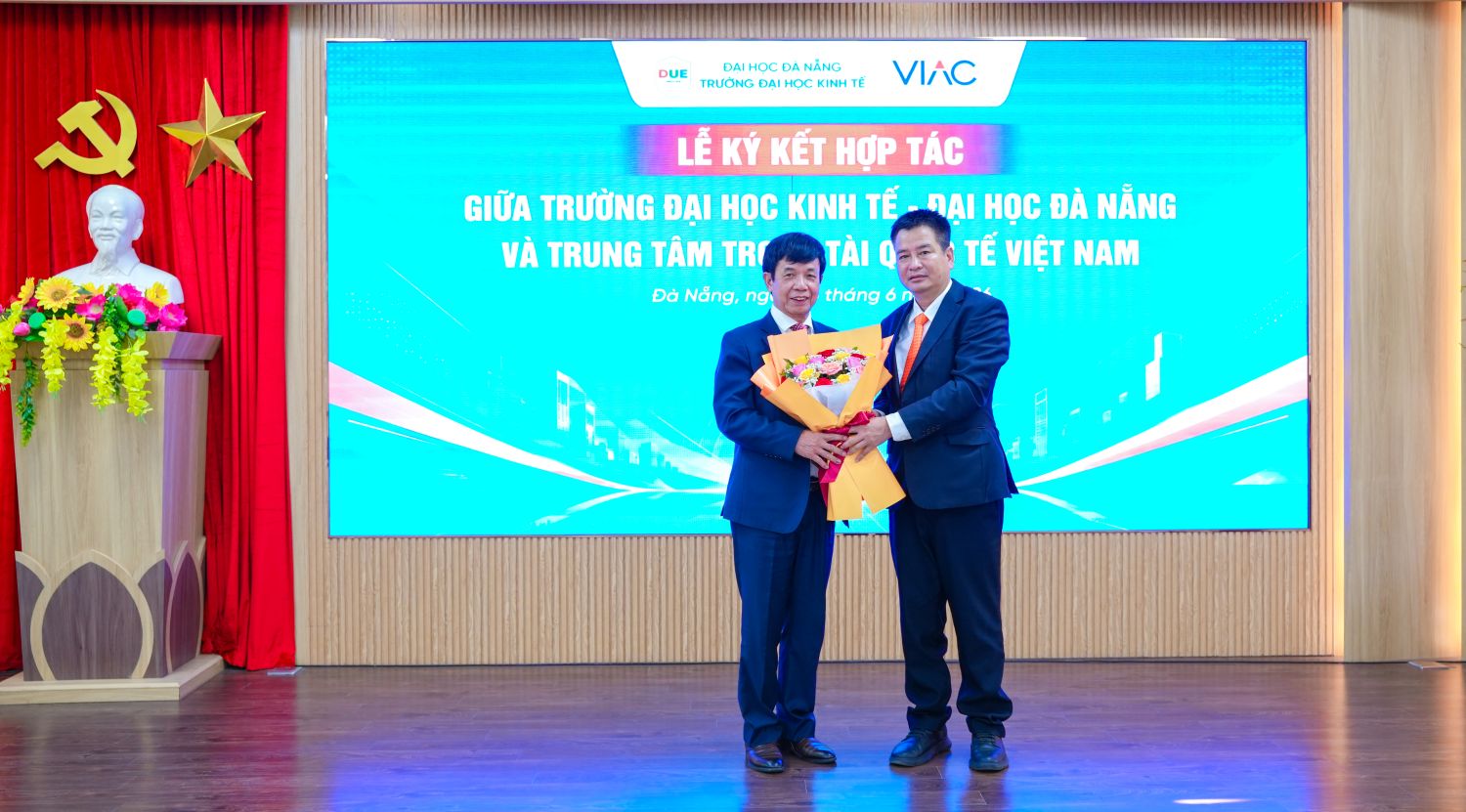
Assoc. Prof. Dr. Doan Ngoc Phi Anh presents flowers in appreciation of VIAC’s support and cooperation
Assoc. Prof. Dr. Doan Ngoc Phi Anh, Vice Rector of the university, assessed VIAC as one of the leading reputable commercial arbitration institutions in Vietnam, making significant contributions to building a transparent and efficient investment and business environment. The university expects that the partnership will help bridge training activities with practical realities and improve the quality of human resources.
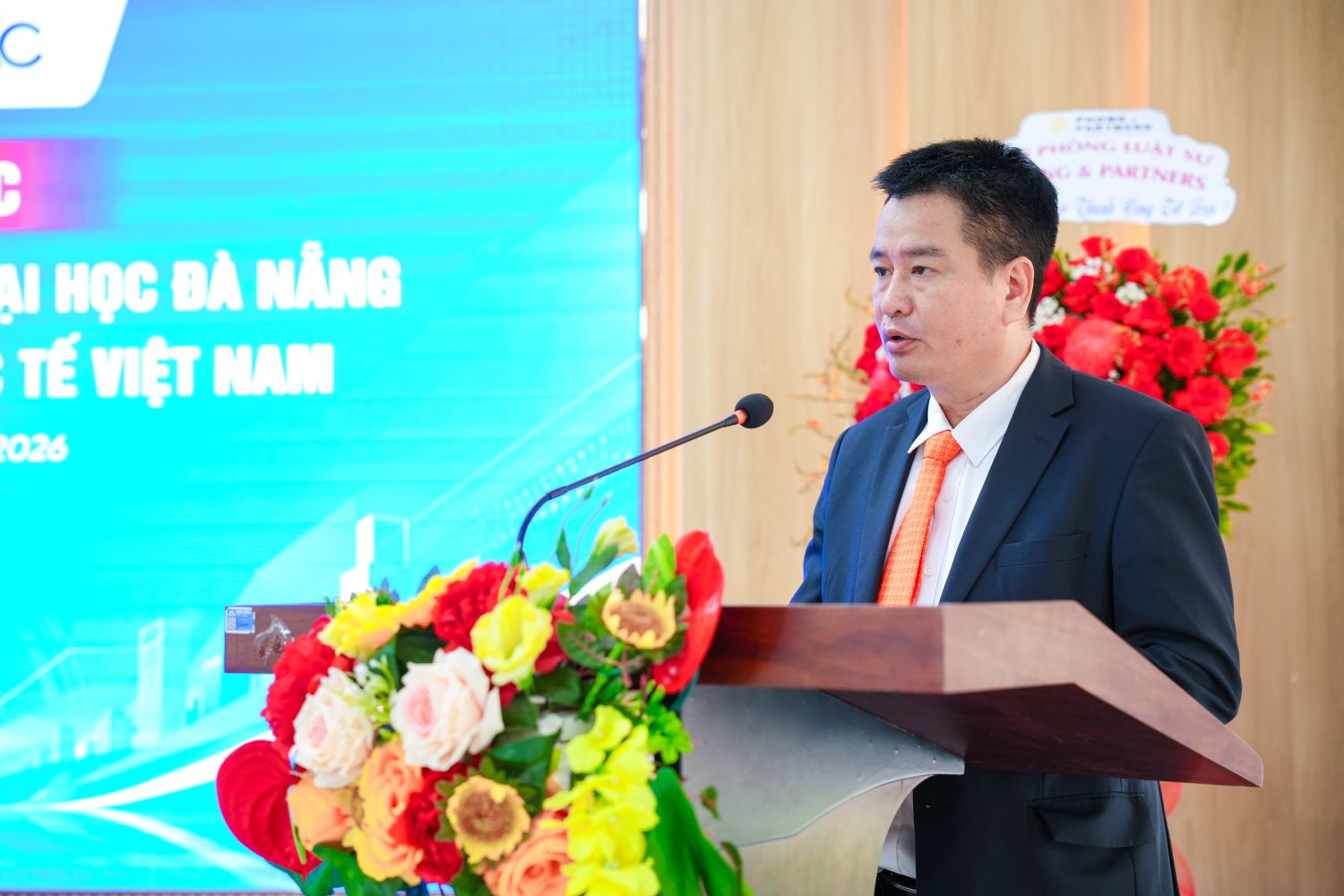
Assoc. Prof. Dr. Doan Ngoc Phi Anh speaks at the event
Prof. Dr. Le Hong Hanh, Chairman of the Vietnam International Arbitration Center, believes that the cooperation will strengthen the connection between training, research, and the practical resolution of commercial disputes. It will also help enhance the legal capacity of businesses and promote modern dispute resolution methods in line with integration trends.
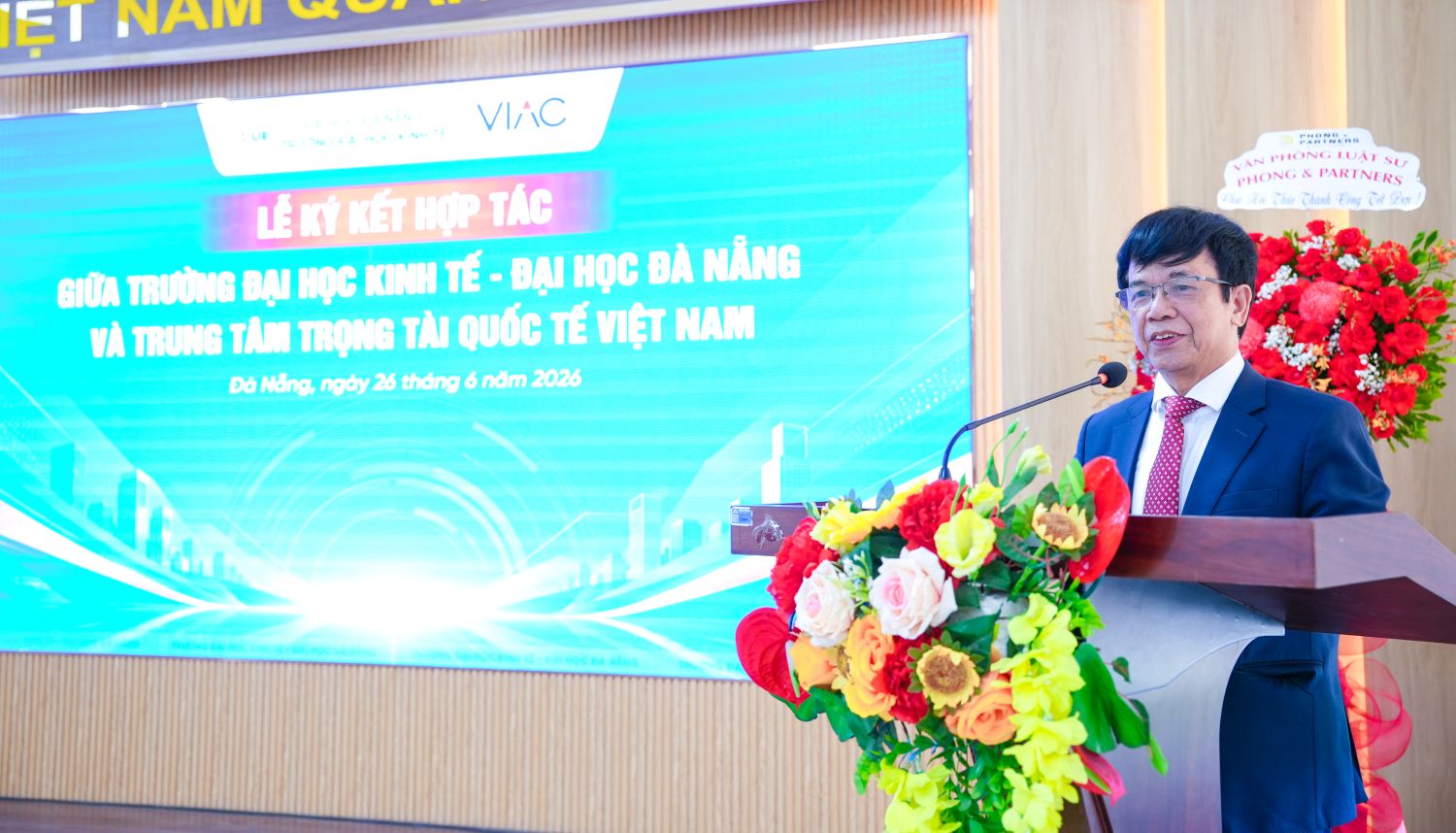
Prof. Dr. Le Hong Hanh shares the direction for long-term cooperation
For students, the cooperation program provides greater opportunities to access practical experience, deepen their understanding of commercial arbitration and out-of-court dispute resolution methods, and develop professional skills that meet the requirements of the labor market.
Immediately following the signing ceremony, the two institutions co-hosted a scientific seminar entitled “Identifying and Resolving Disputes among Enterprises in the New Era,” attracting the participation of researchers, legal experts, lawyers, and the business community.
The seminar featured two thematic discussion sessions: The first session, with the theme “Basic Legal Issues in Resolving Disputes among Enterprises in the New Era,” analyzed the impact of business disputes on enterprise and economic development, the current situation of disputes in Da Nang, international experience in building international arbitration centers, as well as issues arising from the implementation of new legal regulations.
Many experts noted that, alongside the development of modern business models, commercial disputes have not only increased in number but also become more diverse in terms of sectors and methods of emergence. This requires the dispute resolution system to be improved towards greater flexibility, efficiency, and compliance with international standards.
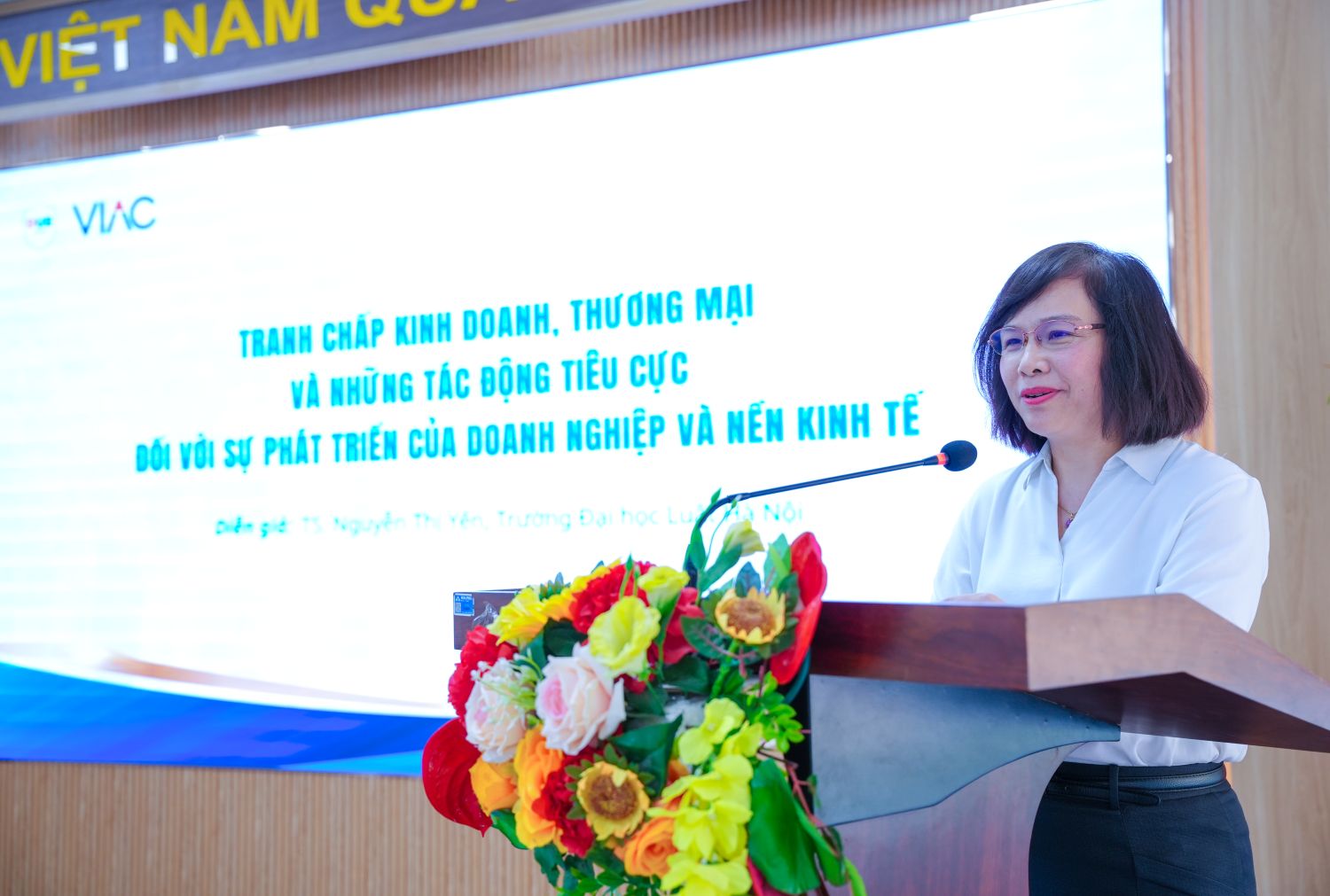
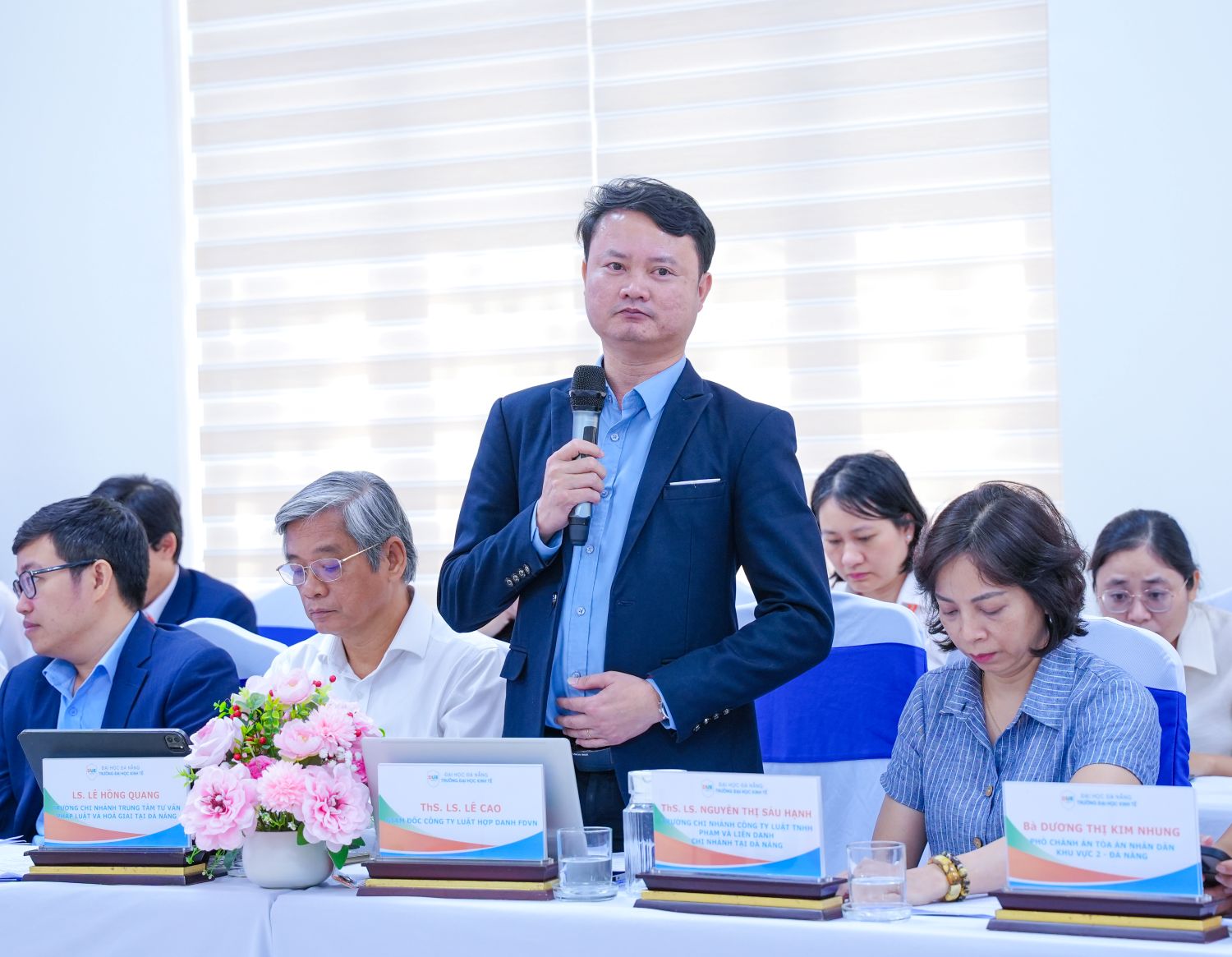
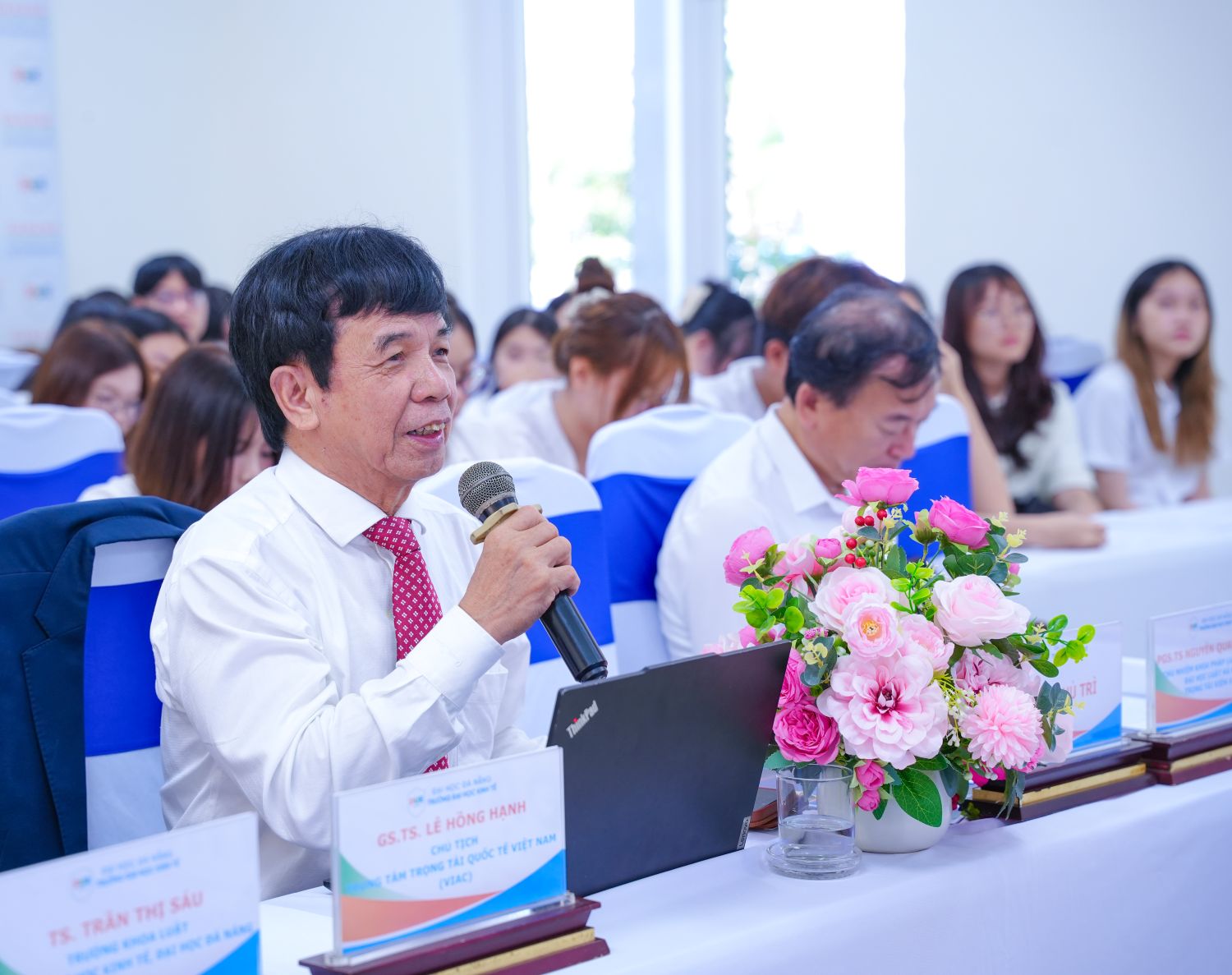
Delegates present and exchange ideas at the seminar
In the second session, themed “Disputes and Dispute Resolution in Specific Sectors,” speakers identified bottlenecks in the implementation of the 2024 Land Law, the Law on Real Estate Business, and limitations arising from court-based dispute resolution mechanisms. In addition, commercial arbitration was highlighted as one of the effective methods for businesses to resolve disputes quickly, cost-effectively, and confidentially.
Experts also stressed the necessity of enhancing the legal capacity of the business community, especially as Vietnam aims to develop regional financial and arbitration centers, thereby increasing the competitiveness of the economy in the process of international integration.
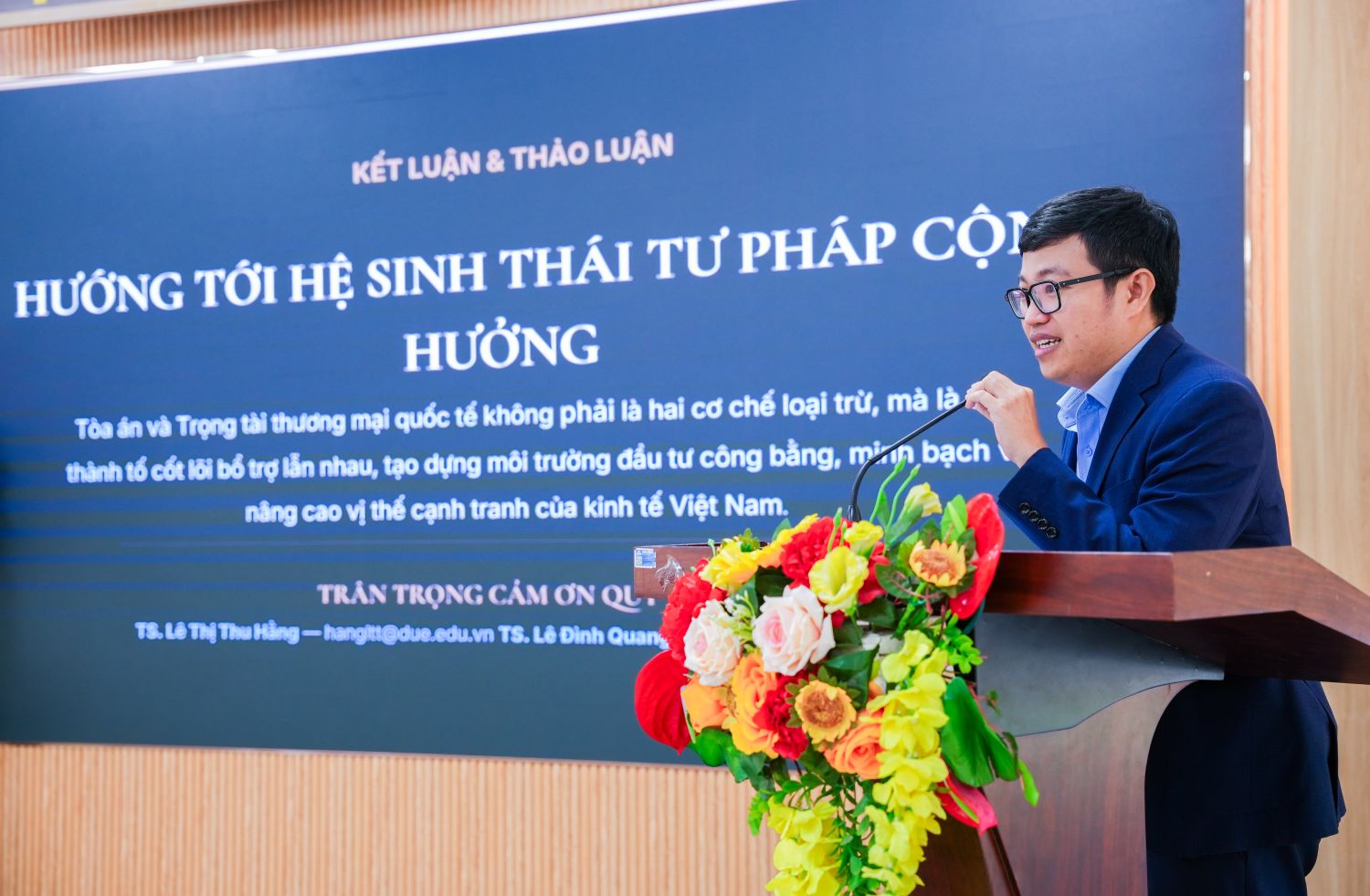
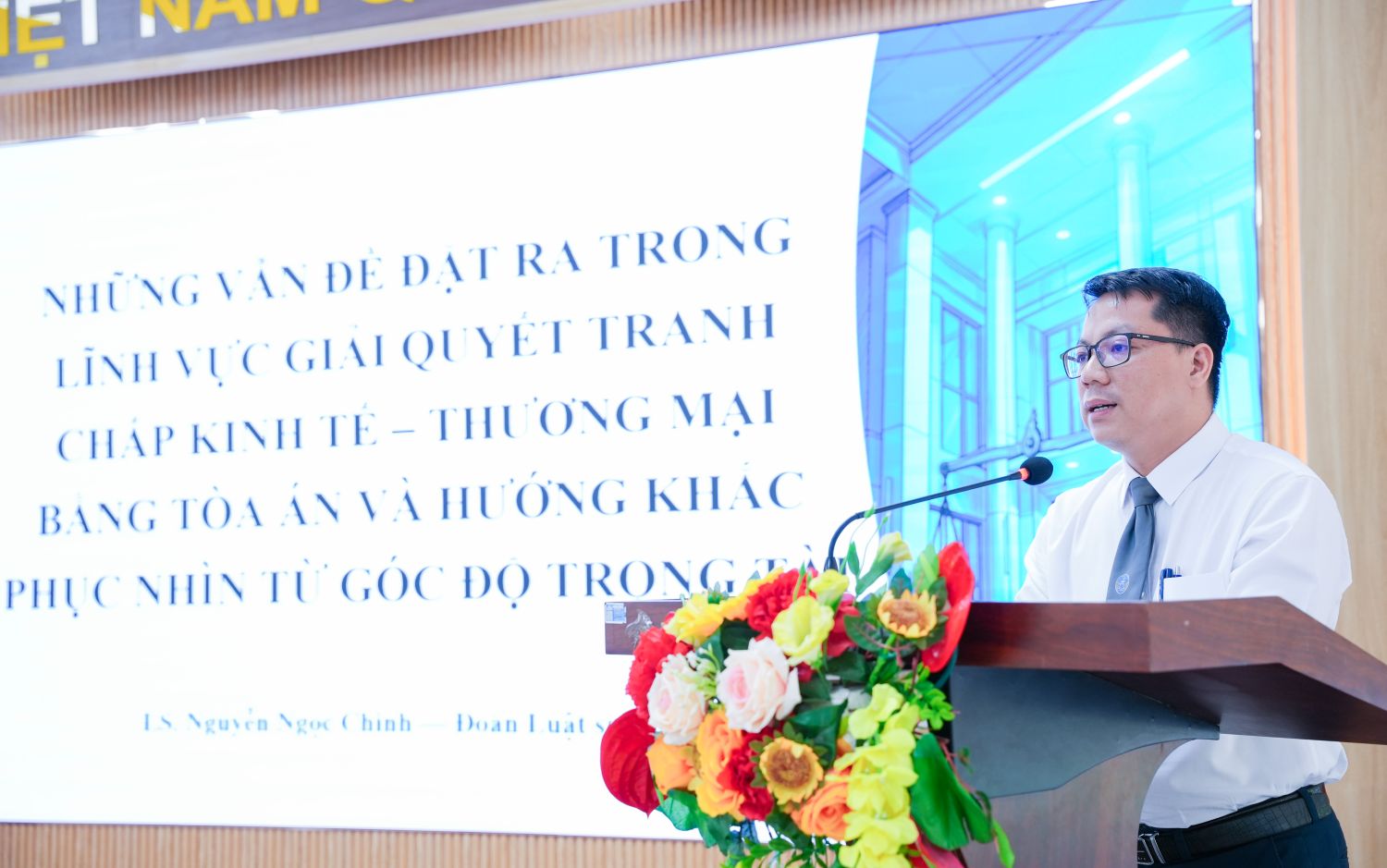
Through this academic forum, researchers, legal experts, and the business community had the opportunity to exchange experiences, share practical perspectives, and propose various solutions to improve the effectiveness of preventing, identifying, and resolving commercial disputes in the new era.