Scientific Research Student Conference (Session 2): Multiple Projects Directly Address Digital Economy, AI and New Consumer Behaviors
26/05/2026
Concluding the series of Faculty-level Scientific Research Student Conferences for the 2025-2026 academic year, a number of units at the University of Economics - University of Danang have reported growth in both the scale and quality of research projects. Many studies reflect a direct engagement with issues surrounding the digital economy, artificial intelligence, technology-related legal frameworks, and the new generation of consumer behaviors.
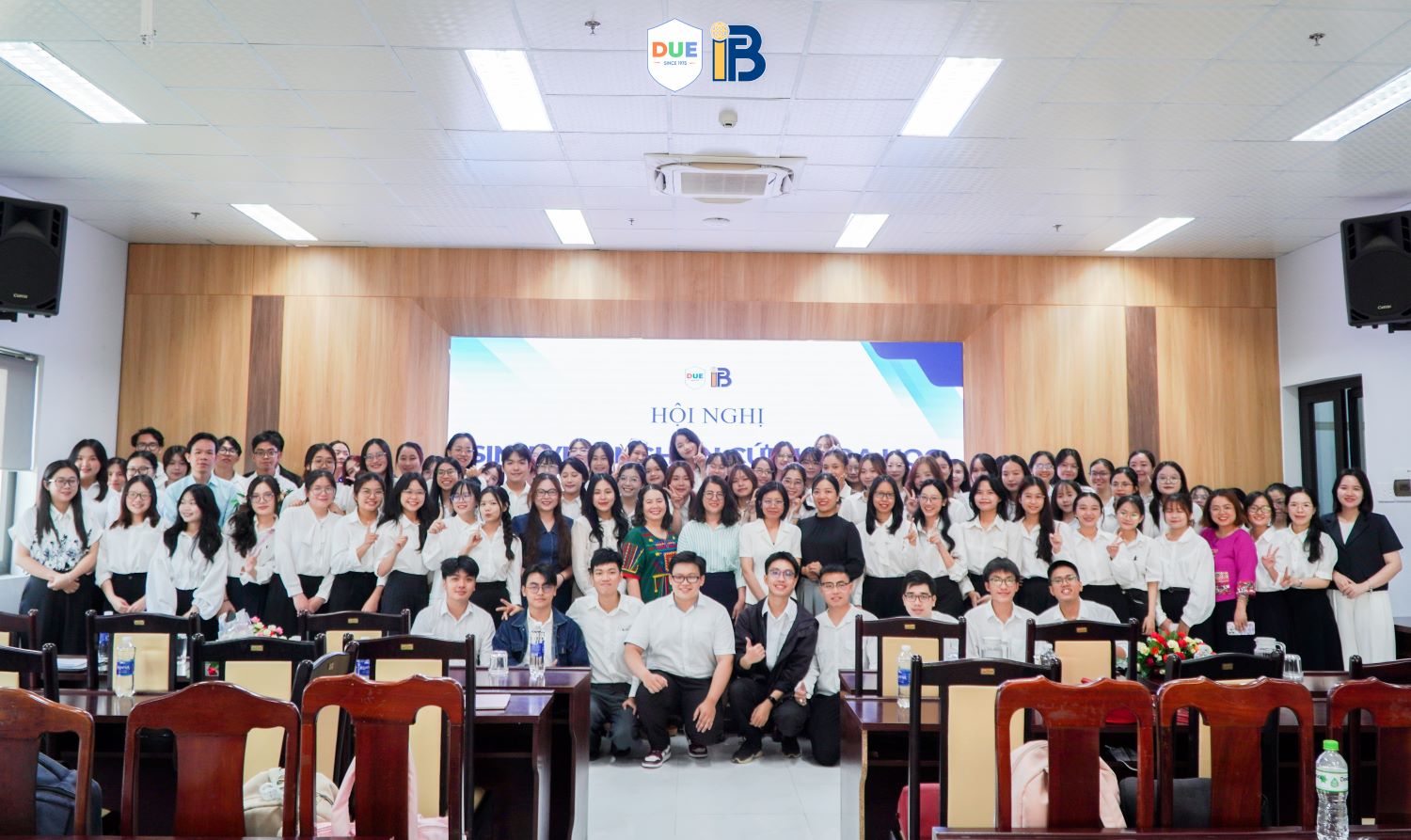
Within this landscape, the Faculty of International Business, with 24 projects presented, demonstrated the strong momentum of the student research movement. The Faculty of Statistics and Informatics recorded 20 projects spanning from applied statistics and data economics to artificial intelligence; the Faculty of E-commerce presented 19 highly interdisciplinary topics; the Faculty of Marketing saw 9 outstanding projects successfully defended, 8 of which were delivered entirely in English. The Faculty of Law contributed 9 projects, while the Faculty of Political Theory registered 5 projects, many exploring novel approaches to management and public policy.
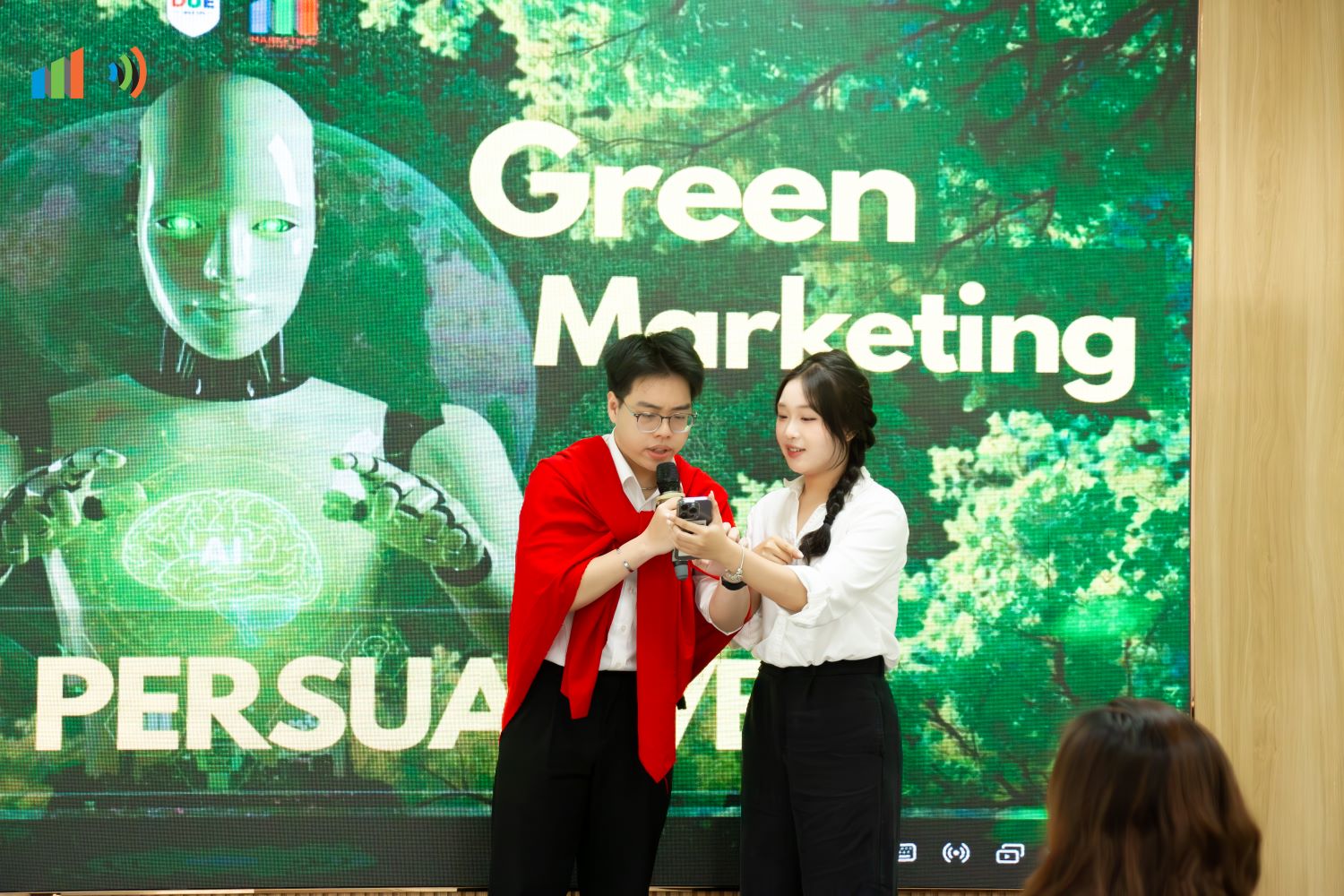
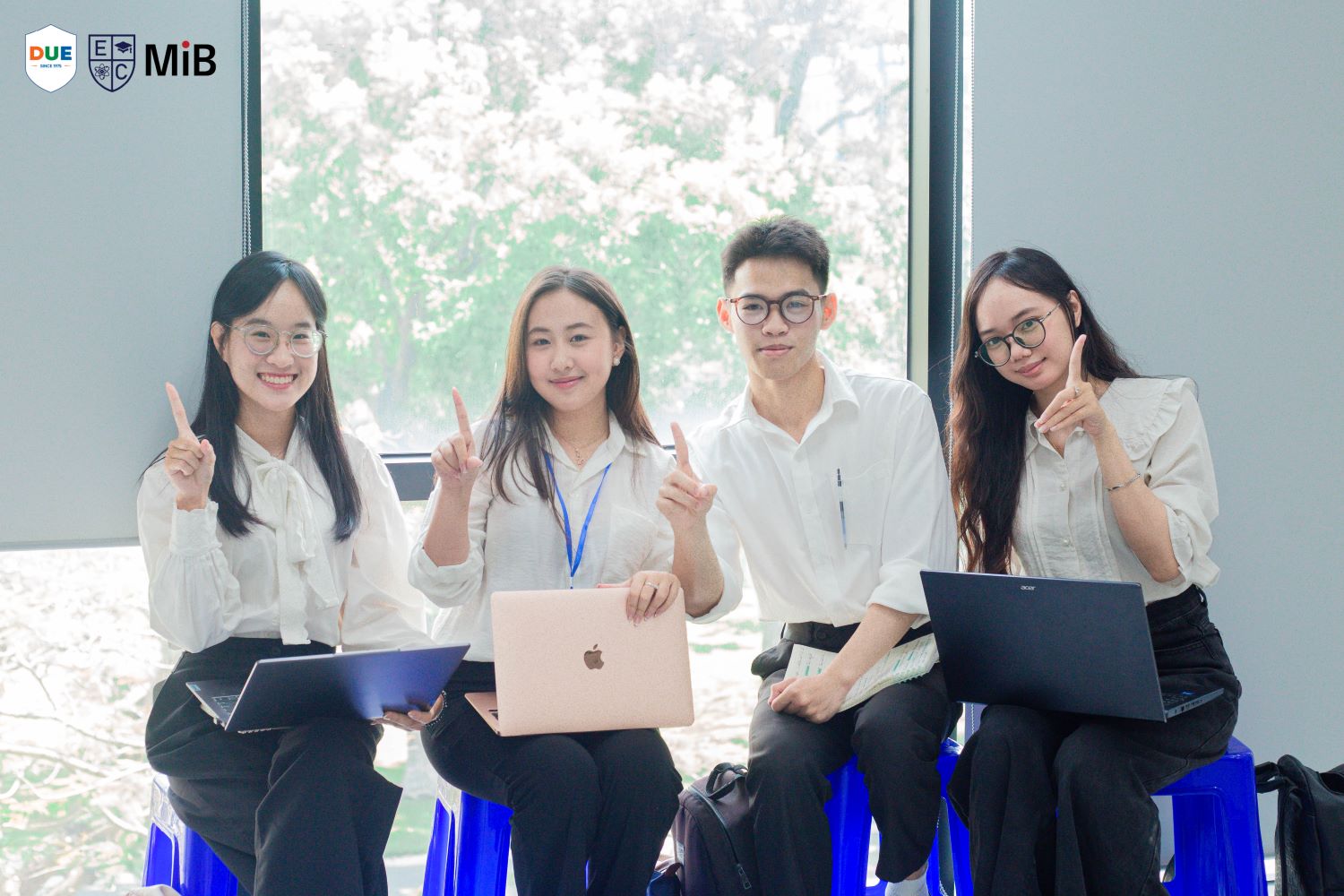
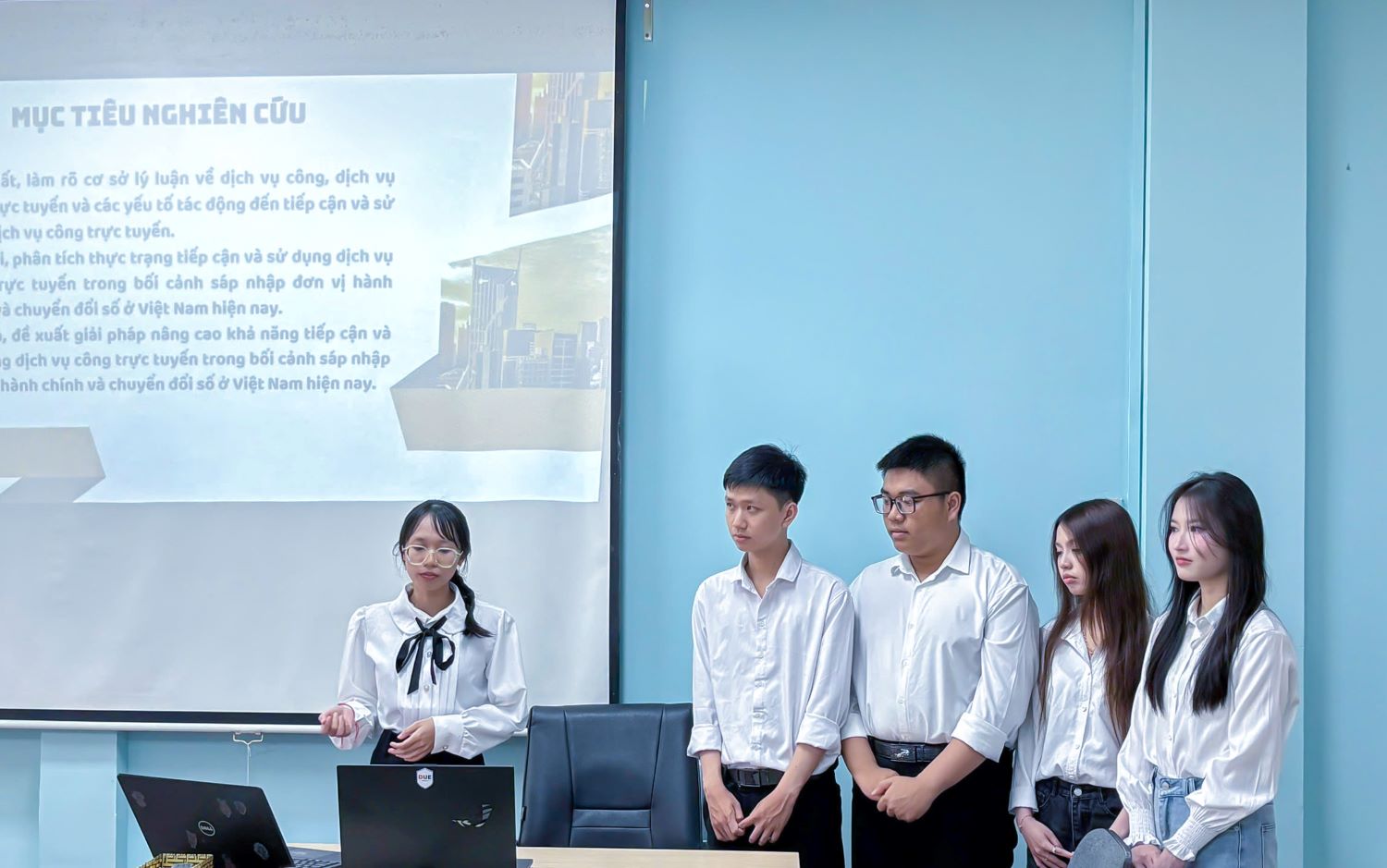
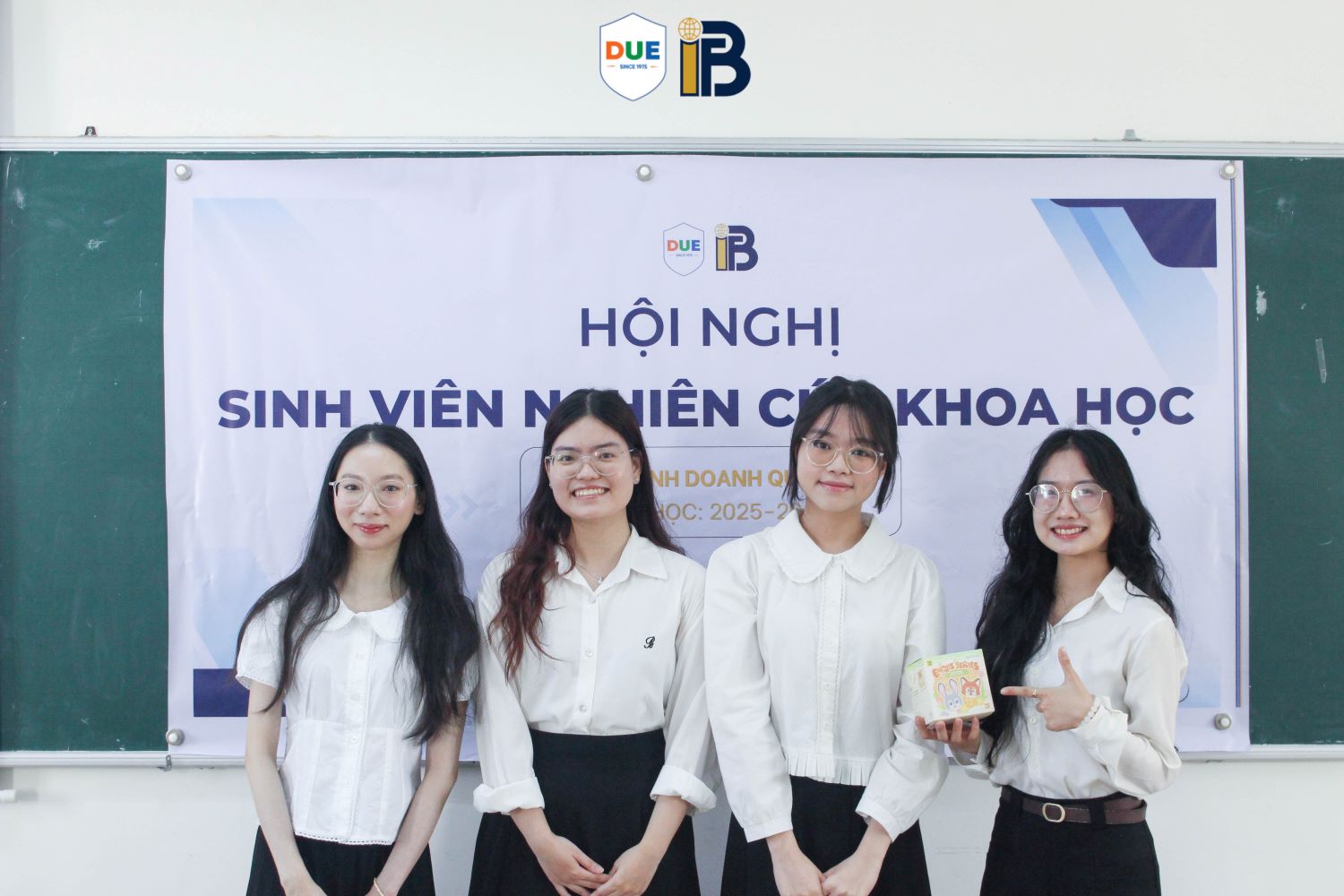
Students Presenting Research Projects
AI - From Support Tool to Research Subject
Artificial intelligence remained a central theme at many of this year’s conferences. However, rather than stopping at technological applications, several research groups have begun to probe deeper issues such as transparency, controllability, and the societal impact of AI.
At the Faculty of International Business, several projects revealed a trend towards research linked to sustainable development, digital transformation, and global management. Notably, students Tran Ngoc Han, Chau Man Khanh, and Nguyen Truc Lam (49K01.2-E) conducted the project “The impact of green innovation, artificial intelligence, and global value chain participation on sustainable development: a cross-country analysis,” analyzing the influence of green innovation, artificial intelligence, and global value chains on sustainable development in a multi-national context.
At the Faculty of Statistics and Informatics, students Nguyen Hoang Anh Tuan and Do Van Vu (48K14.1) developed a tourism forecasting model using deep learning, integrating the increasingly essential requirement for explainability in AI - now considered a critical standard for real-world decision-making systems.
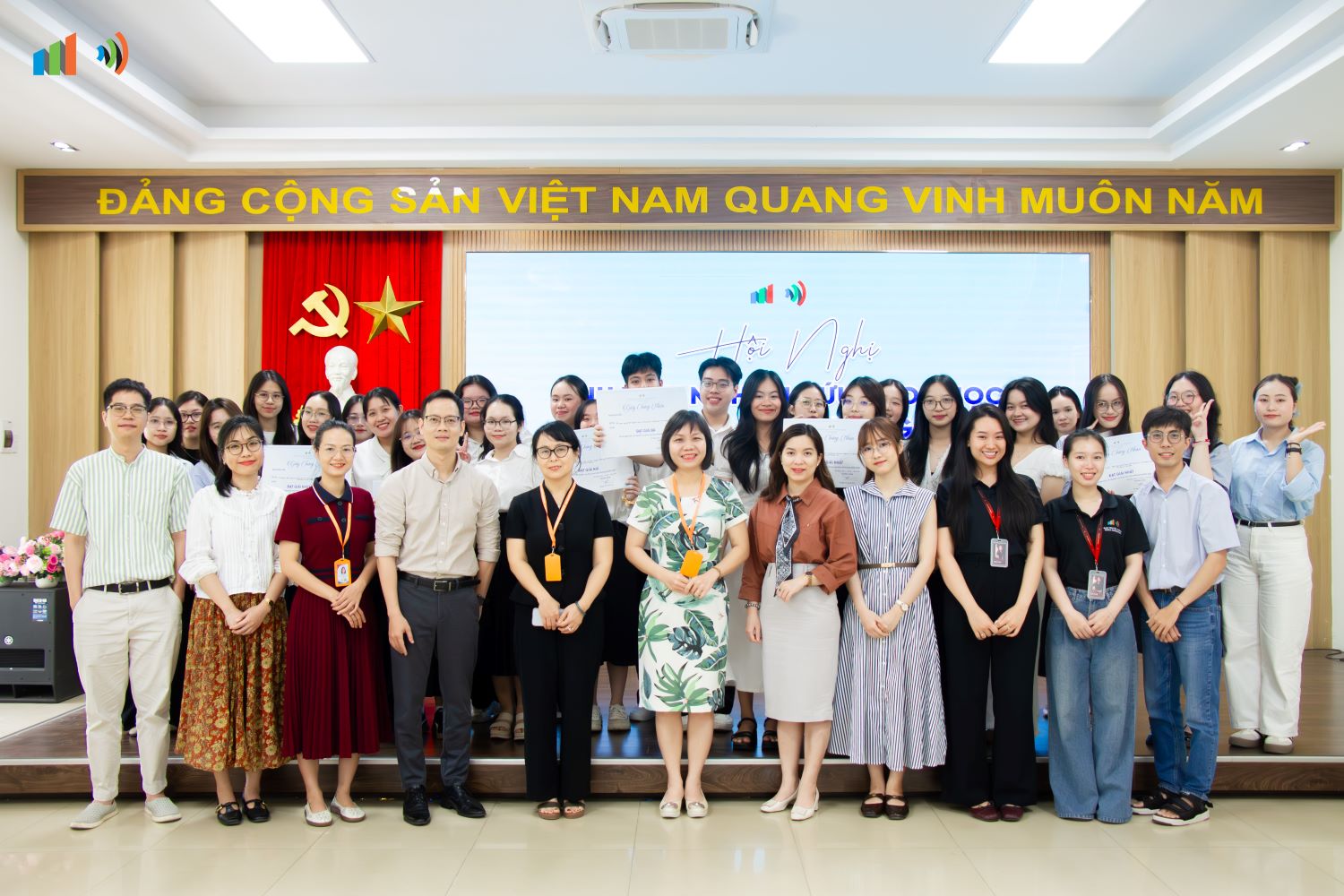
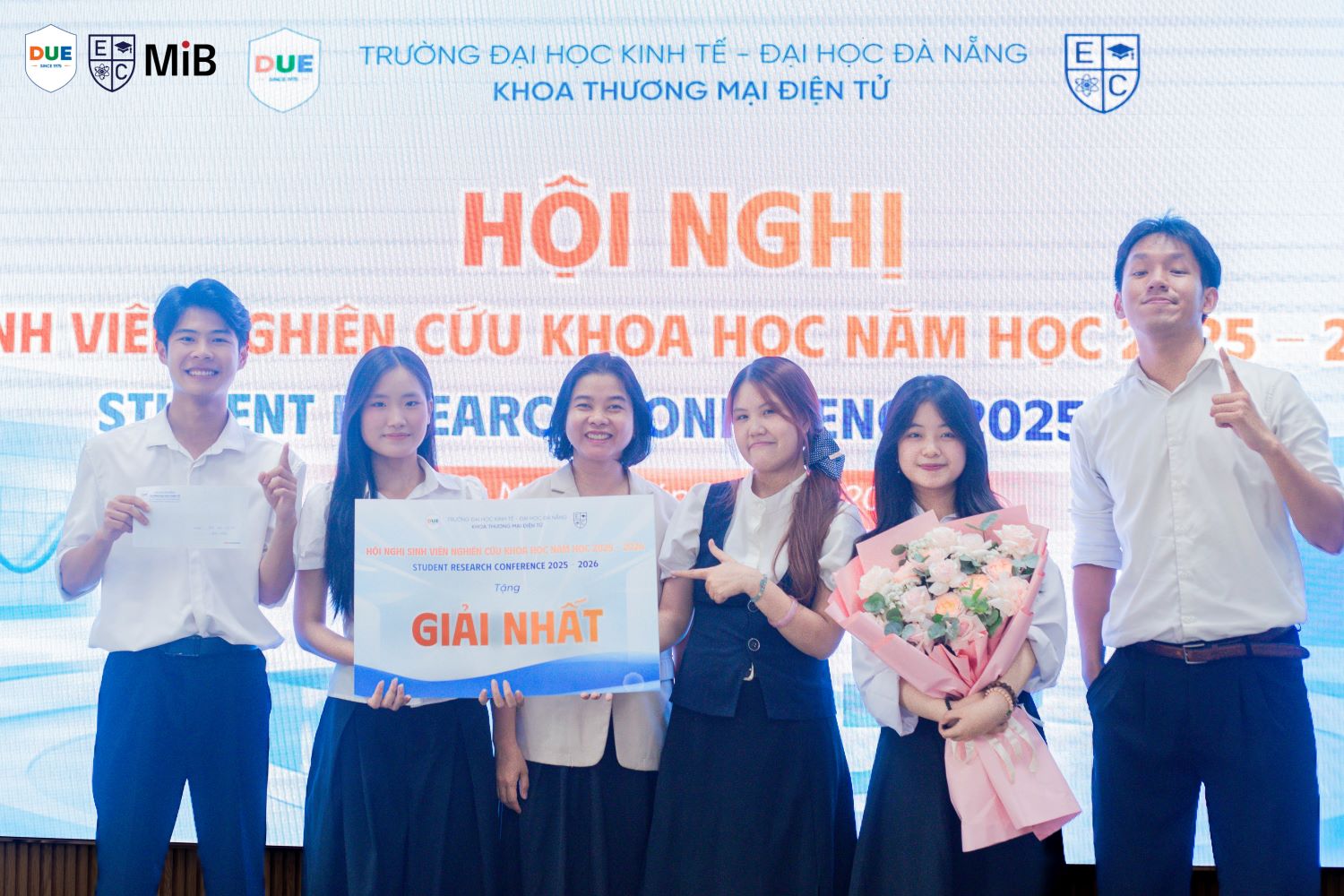
Projects from the Faculty of E-commerce highlighted the influence of new technologies in digital business environments. Many studies focused on Generative AI, chatbots, the application of AI in finance, cybersecurity, and user behavior on e-commerce platforms. In parallel, research on green transformation, electric vehicles, food waste reduction, and sustainable consumption illustrated that students are concerned not only with the pace of technological innovation but also its relationship to sustainable development. Four outstanding projects were selected to represent the faculty at the university-wide level.
In another approach, the Faculty of Political Theory presented, for the first time, a project in English: “A survey on the impact of public servants' readiness to adopt AI on the quality of public administrative services: A case study at the Hai Chau Ward Public Administrative Service Center, Da Nang, Vietnam.”
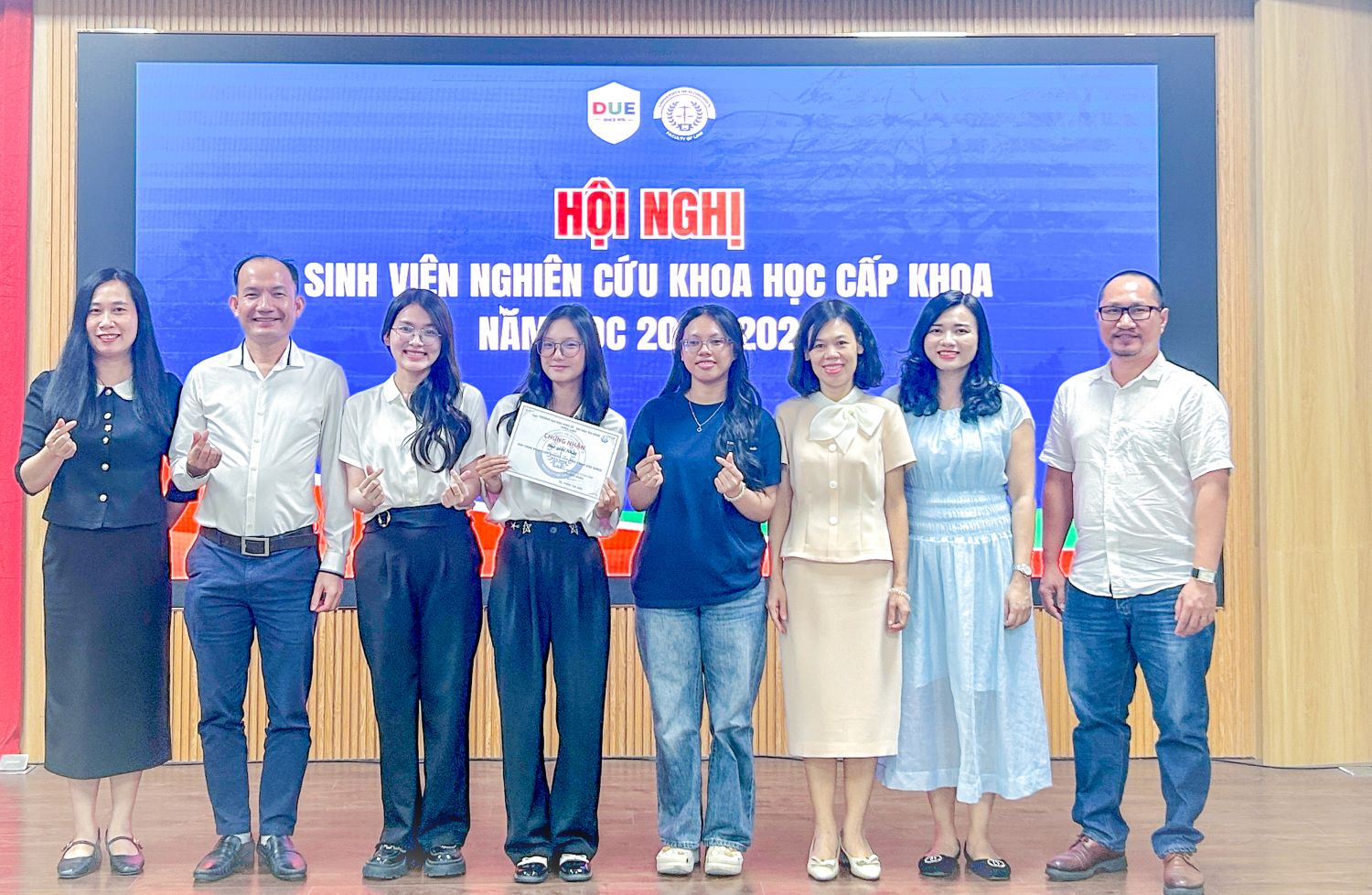
Among the standout works from the Faculty of Law, the project “Legislation on controlling anti-competitive agreements through algorithms – International experience and lessons for Vietnam” by students Do Thi Kieu Nhi, Nguyen Hong Ngoc, and Ngo Nguyen Cam Huong (49K13.2) won First Prize for tackling a timely and innovative topic against the backdrop of digital transformation and the rapid rise of the platform economy.
From Nostalgic Memories to New Generation Consumer Behaviors
Beyond technology and policy, many of this year’s projects highlight growing student interest in emotional, cultural, and psychological factors in the creative economy.
Marketing students Pham Nguyen Thuc Dan and Huynh Thi Mai Hoa (48K28) explored the role of cultural identity in animated films on the emotional responses of adult audiences a promising approach in the digital content and creative entertainment industry.
In the Faculty of E-commerce, the project “The Impact of Vintage Visual Design Cues on Online Purchase Intention and Willingness to Pay: The Mediating Role of Vintage Anemoia and Personal Nostalgia” by students of class 49K22.1 examined how vintage-style imagery influences online purchase intentions and willingness to pay, delving into the concept of “vintage anemoia” - nostalgia for an era never experienced. The study raises thought-provoking questions on the potential impact of emotional and visual memory factors on digital consumer behavior.
Data and Regional Perspectives in Economic Research
In the data and macroeconomic research group, the Faculty of Statistics and Informatics continued to showcase its strength in connecting quantitative analysis with socioeconomic development issues.
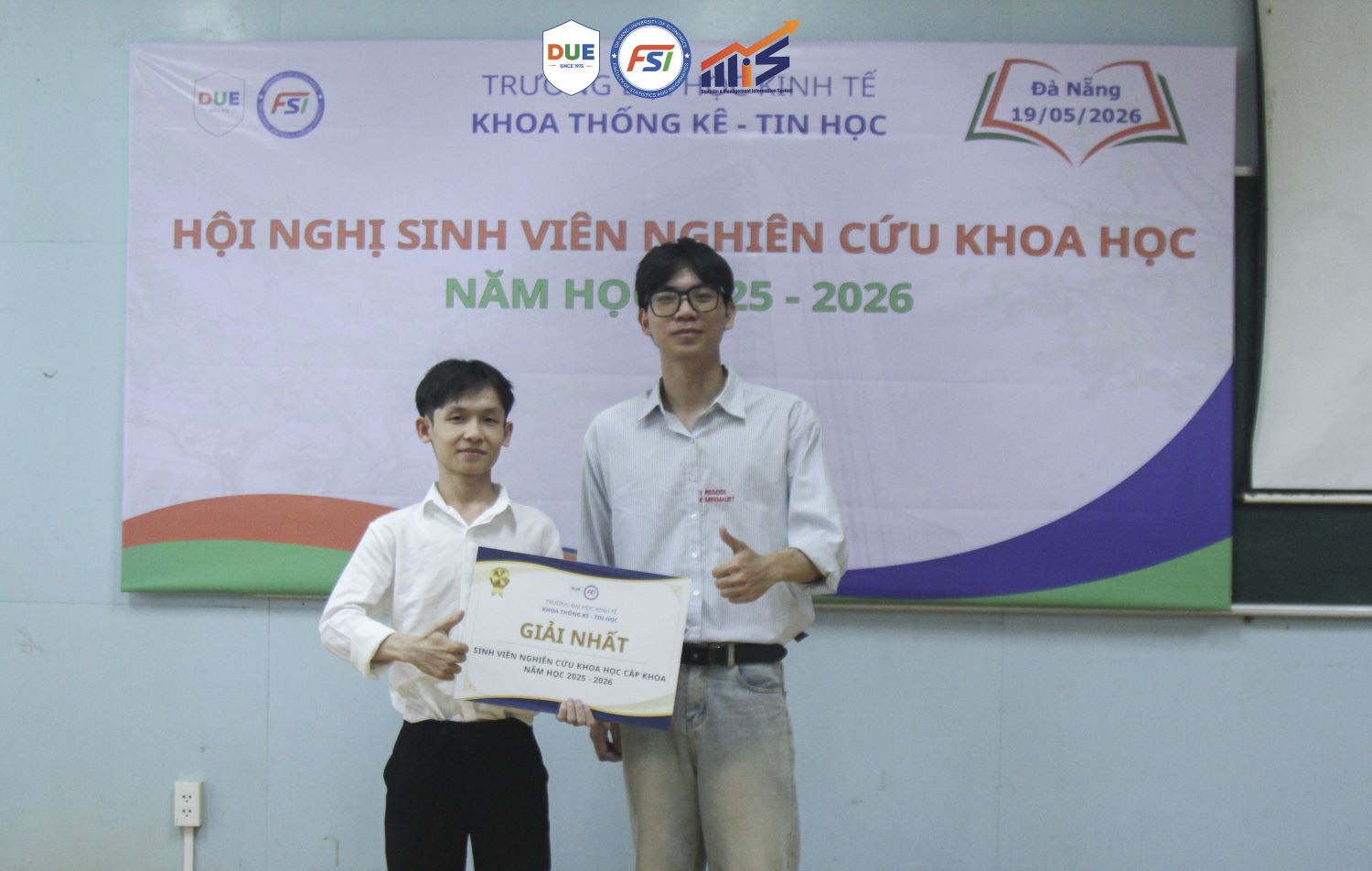
Three projects nominated for university-level recognition ranged from agriculture and international finance to the competitiveness of the ASEAN region. The project “Application of Ensemble Learning in Forecasting Vietnam’s Rice Yield 1995-2024” by students Nguyen Le Tran Chau (48K21.1) and La Thi Thanh Tuyet (48K21.2) demonstrated the potential of AI for agricultural challenges - where even small forecasting errors can affect millions of farming households.
The other two projects addressed regional economic fluctuations: one measuring the impact of U.S. economic policy uncertainty on exchange rates in Southeast Asia; the other analyzing the relationship between digital transformation and national competitiveness within ASEAN.
A common theme among many projects this year is the shift from descriptive to problem-solving research. Each project is not simply an academic exercise, but a concerted effort to bridge theory and rapidly changing realities shaped by technology, data, and global economic dynamics.
From the faculty-level conferences, the most outstanding projects will advance to the university-level round, where innovation, practical value, and scientific depth will be held to a higher standard.