Scientific Research Student Conference (Session 1): When Students Begin with Real-World Questions
22/05/2026
What motivates students to devote significant time to researching AI, ESG, digital consumer behavior, sustainable tourism, or international financial competitiveness?
The Faculty-level Scientific Research Student Conference for the 2025 - 2026 academic year at the University of Economics – University of Danang recorded a vibrant, modern, and highly practical academic landscape spanning multiple disciplines.
Numbers That Speak Volumes
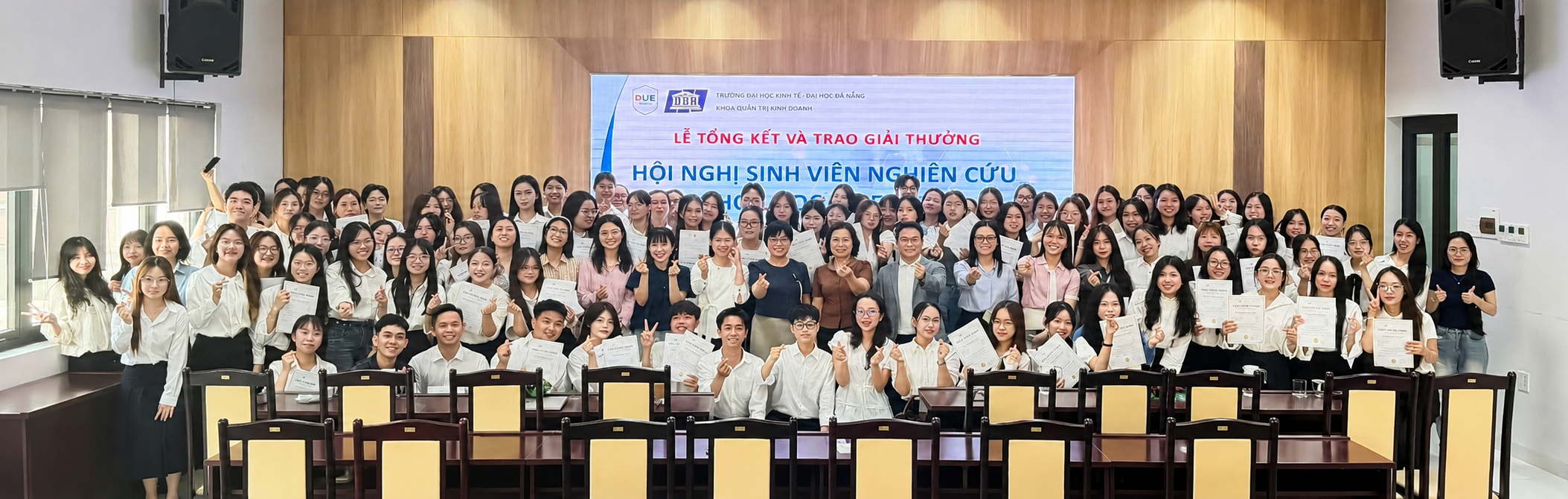
In May 2026, a series of student scientific research conferences were held across various faculties: Tourism, Accounting, Business Administration, Banking, and Economics, igniting a wave of research activity throughout DUE’s lecture halls.
Aggregate figures from the faculties reflect a notable reality: The Faculty of Business Administration brought together 157 students with 37 projects, divided among four expert panels involving 14 faculty reviewers. The Faculty of Economics presented 21 research topics, with 6 conducted entirely in English. The Faculties of Accounting and Tourism had 7 and 9 projects defended before their respective councils.
These are more than mere statistics. Behind every project lie months of data collection, model testing, theoretical debate, and more than a few instances of starting over from scratch.
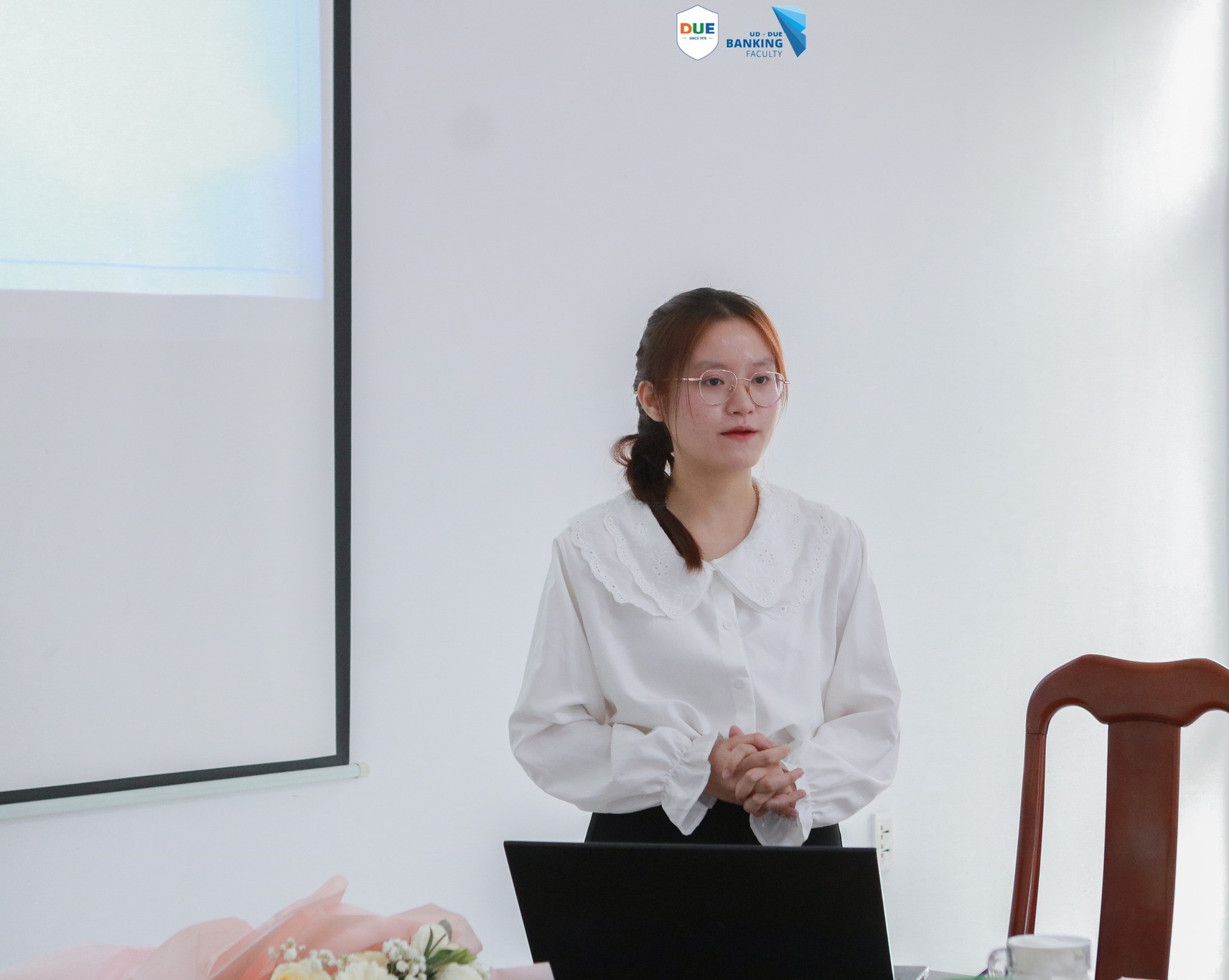
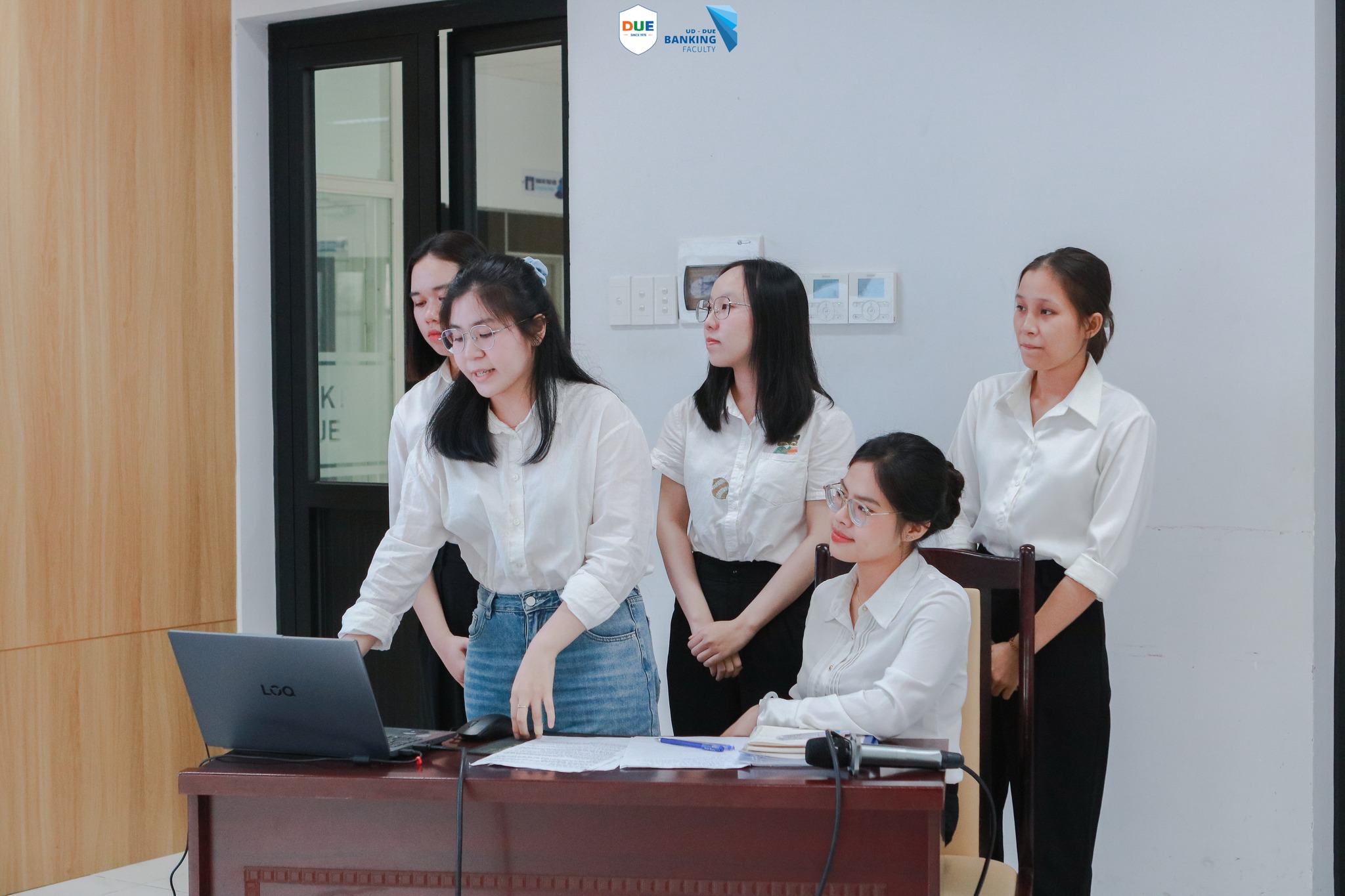
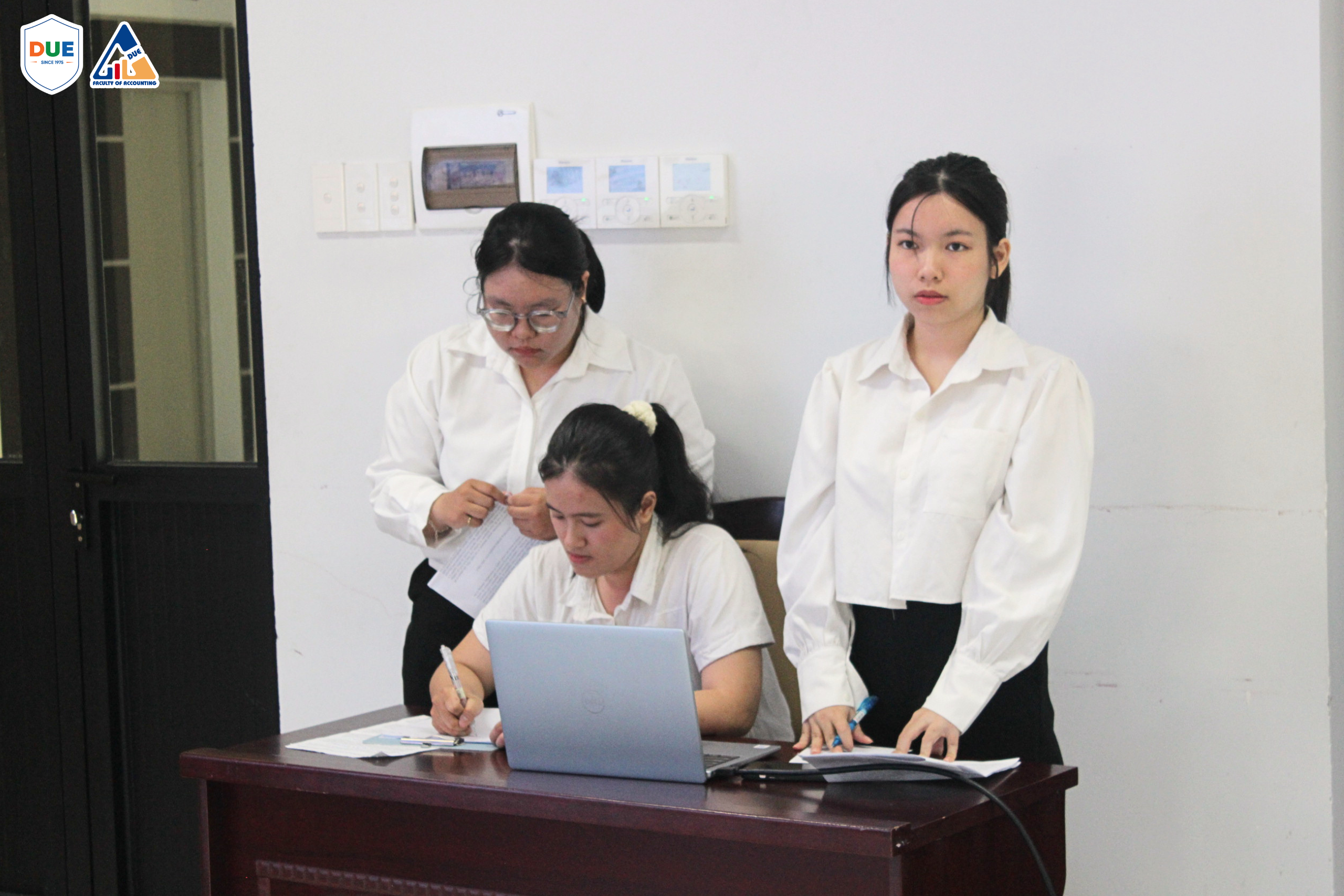
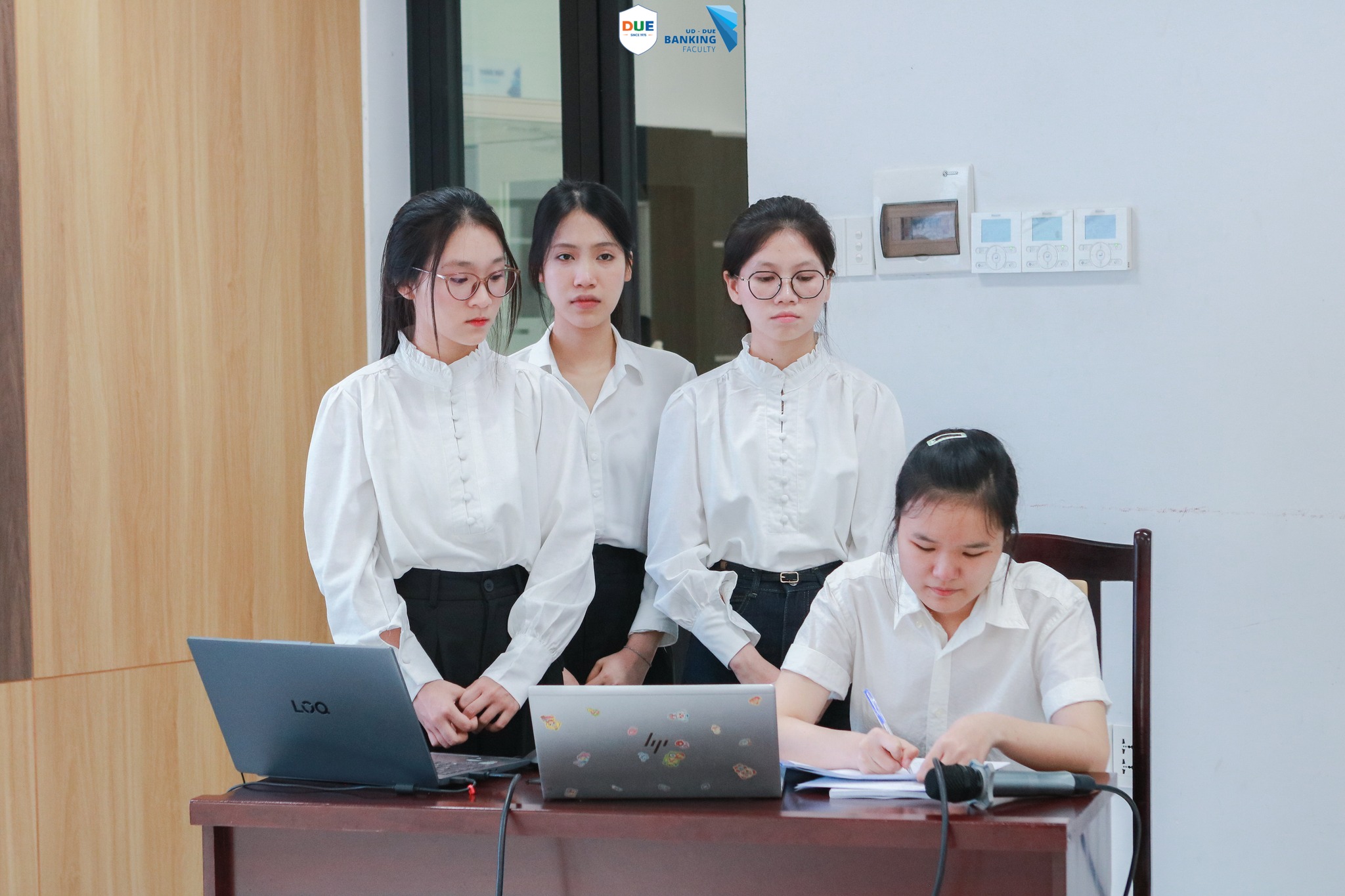
Students Presenting at the Conference
From Practical Questions to Academic Research
The most distinctive feature of this year’s research season is the clear shift in how DUE students select their topics. Rather than revolving around purely academic themes, most research groups chose to begin with issues currently unfolding in the economic and social landscape.
In the Faculty of Business Administration, students focused on the resilience of agricultural supply chains to climate change, concerns about “greenwashing” in green consumer behavior, and how artificial intelligence is reshaping Generation Z’s purchasing decisions. In the Faculty of Economics, topics closely tracked the digital economy, circular economy, and digital platform consumer behavior - subjects well - aligned with today’s realities.
In the field of Finance and Banking, many studies took a modern approach, tightly linking theoretical foundations with practical contexts. The research demonstrated students’ sensitivity to global economic shifts and reflected a proactive spirit in updating trends, from ESG and digital credit to developing international financial centers. The lively, creative academic atmosphere was evident in the presentations and in-depth discussions. At the conclusion of the conference, the Faculty of Banking selected three outstanding topics to represent them at the university-level Scientific Research Student Conference.
This year’s Accounting Faculty conference was marked by projects tackling prominent issues in modern corporate governance such as audit quality, board structure, and cost of capital in the post-Covid-19 context. Many student groups not only leveraged data from listed Vietnamese firms but also applied international research perspectives, showcasing up-to-date academic thinking and a sustainable development orientation.
When Heritage Meets Algorithm
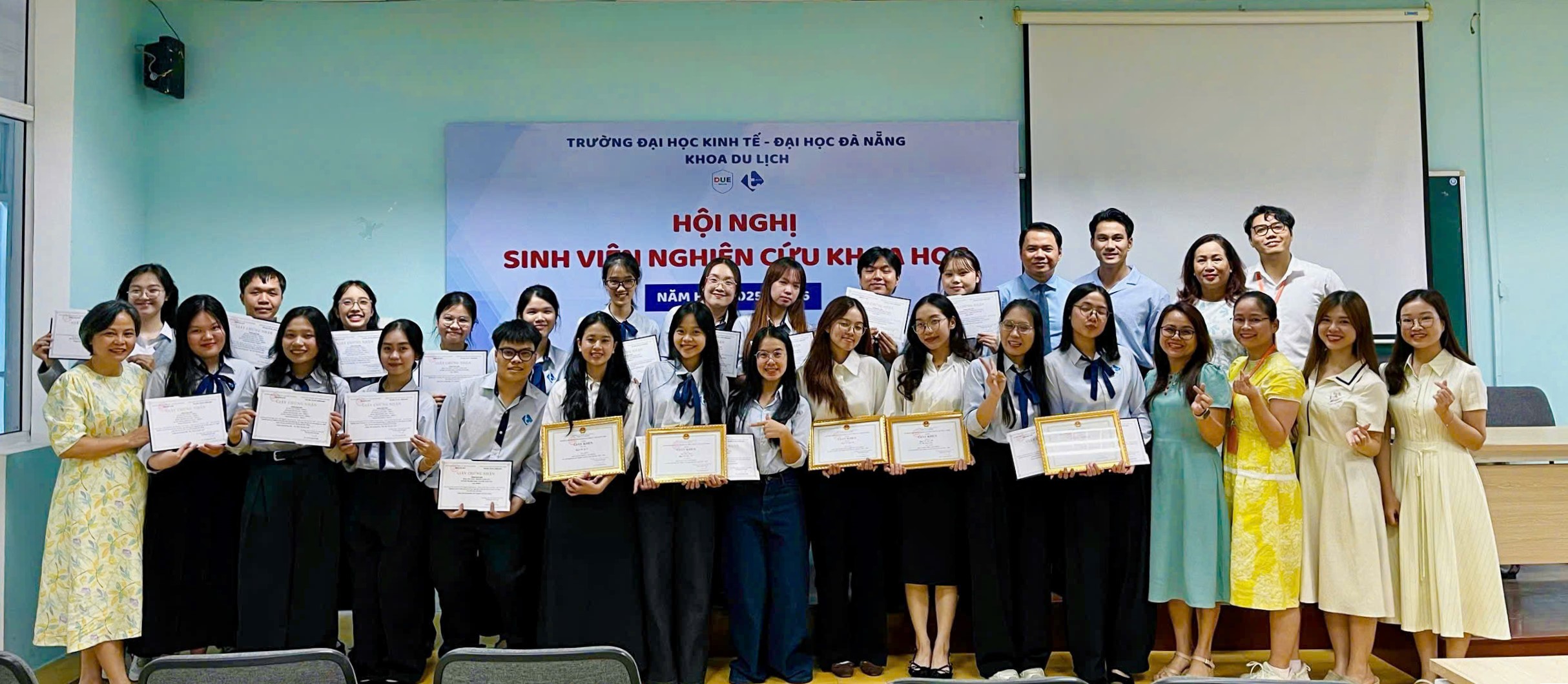
At the Faculty of Tourism, the First Prize project, “From Commercialization to Value Co-creation: The Roles of Perceived Authenticity and Destination Love in Hoi An’s Heritage Context,” by student Nguyen Thi Ly Na (class 48K03.2), impressed by addressing the timely issue of heritage tourism: how to retain tourists through authentic cultural and emotional value amid rising commercialization in Hoi An. The project was highly regarded for its serious approach and practical perspective.
Meanwhile, the Third Prize project by two students from class 49K26 on the impact of TikTok influencers on Generation Z’s adventure tourism intentions touched on the new trend in travel media that many tour operators are closely following. The fusion of academic thinking and real-world relevance emerged as a hallmark of this year’s research season.
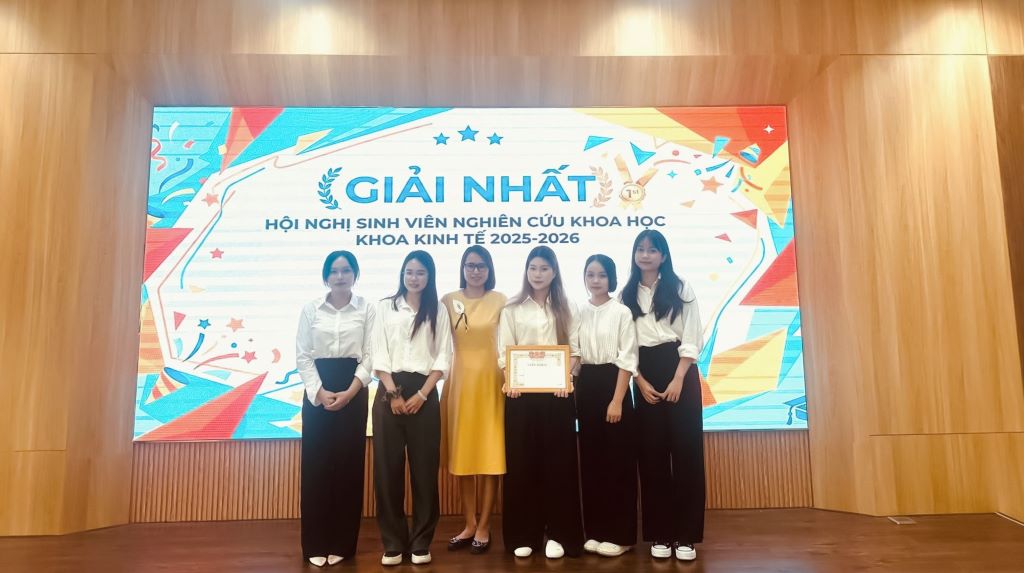
From the faculty-level conferences, the most outstanding projects will be selected to participate in the university-level Scientific Research Student Conference. This marks a transition from research in a smaller environment to a broader academic stage, where each project will be rigorously evaluated for novelty, applicability, and scientific merit.
The series on the Scientific Research Student Conference will continue in Session 2, with stories from behind the student research journey.